
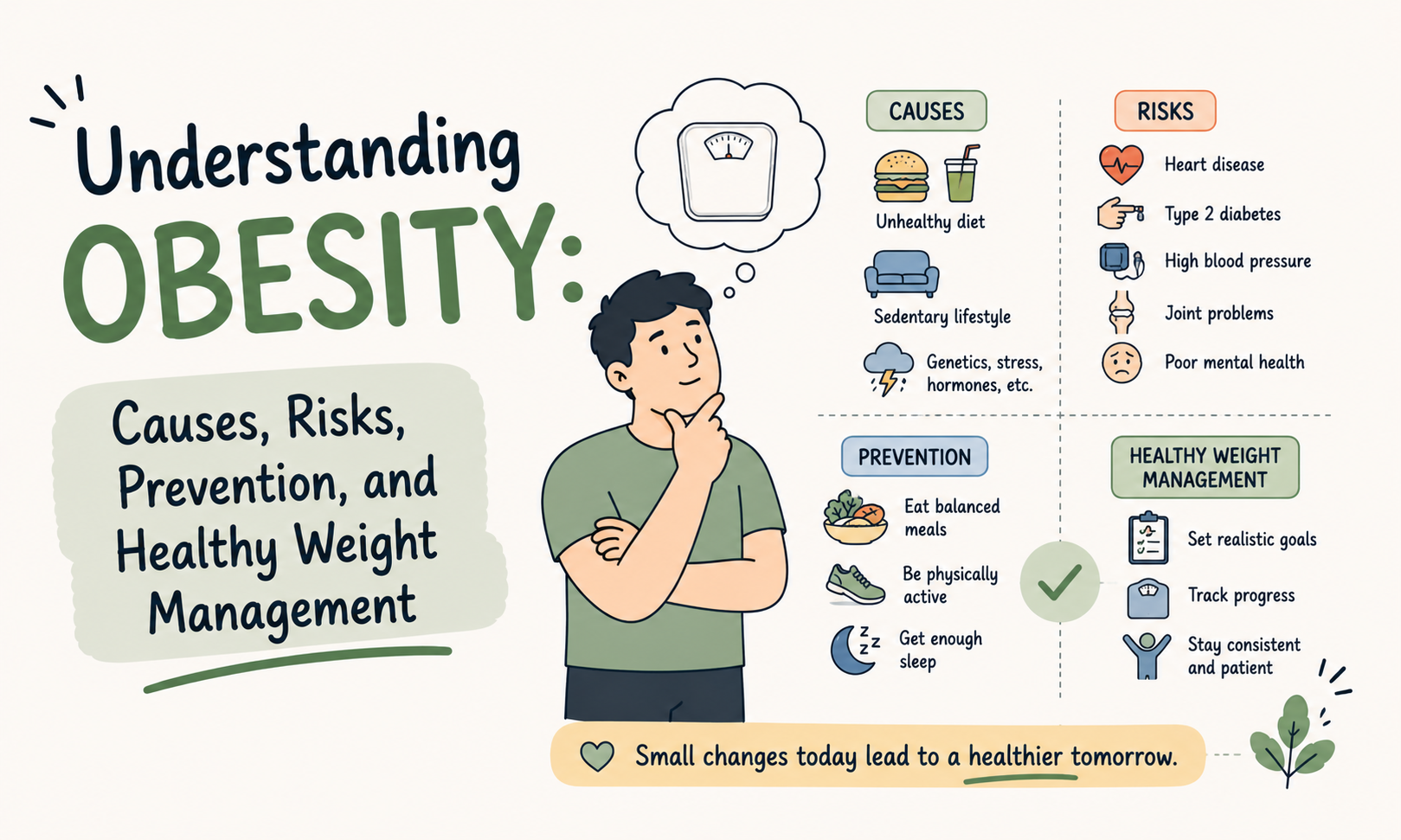
Obesity is one of the most common health challenges affecting millions of people worldwide. It occurs when a person has an excessive amount of body fat that may increase the risk of developing serious health conditions. While Body Mass Index (BMI) cannot directly measure body fat, it is widely used as a screening tool to identify whether someone falls into the obesity category.
Understanding obesity is the first step toward improving your health. With the right knowledge, healthy lifestyle changes, and regular monitoring, many people can successfully manage their weight and reduce the risk of obesity-related diseases.
Understanding Obesity
Obesity is a medical condition characterized by excessive body fat that may negatively affect overall health.
For adults, obesity is generally defined as having a BMI of 30 or higher.
Healthcare providers classify obesity into three categories:
| BMI | Classification |
|---|---|
| 30.0–34.9 | Obesity Class I |
| 35.0–39.9 | Obesity Class II |
| 40.0 and above | Obesity Class III (Severe Obesity) |
It's important to understand that obesity is not simply the result of overeating. It is a complex condition influenced by many factors, including genetics, hormones, lifestyle, environment, medications, and underlying medical conditions.
Although BMI helps identify obesity, doctors often consider additional measurements such as waist circumference, blood pressure, cholesterol, and blood sugar before making healthcare recommendations.
Obesity Health Risks
Carrying excess body fat places additional stress on nearly every organ in the body.
People living with obesity have a higher likelihood of developing chronic diseases, including:
- Type 2 diabetes
- High blood pressure
- Heart disease
- Stroke
- Sleep apnea
- Fatty liver disease
- Osteoarthritis
- Gallbladder disease
- Kidney disease
- Certain cancers
Obesity can also affect daily life by causing:
- Reduced mobility
- Joint pain
- Fatigue
- Lower physical fitness
- Reduced quality of life
The good news is that even modest weight loss can improve many of these health risks.
Check Your BMI Today
Knowing your BMI is the first step toward understanding your weight status.
Use the free Howtigo BMI Calculator to calculate your BMI instantly and find out whether your weight falls within the recommended healthy range.
Causes of Obesity
Obesity rarely has a single cause. Instead, it usually develops from a combination of lifestyle, biological, and environmental factors.
Some of the most common causes include:
Unhealthy Eating Habits
Consuming more calories than your body burns over a long period can lead to gradual weight gain.
Highly processed foods, sugary drinks, and oversized portions contribute to excess calorie intake.
Physical Inactivity
A sedentary lifestyle reduces the number of calories your body uses each day, making weight gain more likely.
Genetics
Some people inherit genes that make it easier to gain weight or more difficult to lose it.
Hormonal and Medical Conditions
Conditions such as hypothyroidism, polycystic ovary syndrome (PCOS), and Cushing's syndrome can contribute to weight gain.
Medications
Certain medications, including some antidepressants, corticosteroids, and diabetes medications, may increase body weight.
Sleep and Stress
Poor sleep and chronic stress can disrupt hormones that regulate hunger and appetite, leading to increased food intake.
How to Reduce Obesity Safely
Healthy weight loss takes time and should focus on sustainable lifestyle changes rather than quick fixes.
Here are evidence-based strategies that support long-term success.
Eat a Balanced Diet
Focus on:
- Fruits
- Vegetables
- Whole grains
- Lean proteins
- Healthy fats
Reducing sugary drinks and processed foods can significantly lower daily calorie intake.
Exercise Regularly
Aim for at least 150 minutes of moderate-intensity physical activity each week, along with muscle-strengthening activities on two or more days.
Walking, cycling, swimming, and strength training are excellent choices.
Improve Daily Habits
Small habits make a big difference over time.
Examples include:
- Drinking more water
- Eating slowly
- Cooking more meals at home
- Limiting late-night snacking
- Getting enough sleep
Seek Professional Support
Healthcare professionals, registered dietitians, or fitness specialists can provide personalized guidance if weight management becomes difficult.
In some situations, medication or bariatric surgery may be recommended for individuals with severe obesity and obesity-related health conditions.
Obesity Prevention Tips
Preventing obesity is often easier than treating it after significant weight gain has occurred.
Simple lifestyle habits can reduce your long-term risk.
Stay Physically Active
Regular movement helps maintain a healthy energy balance.
Eat Nutritious Foods
Choose meals rich in nutrients while limiting foods high in added sugar, salt, and unhealthy fats.
Monitor Your Weight
Checking your weight periodically helps identify gradual changes before they become significant.
Get Quality Sleep
Adults should aim for 7 to 9 hours of sleep each night, as poor sleep has been linked to weight gain.
Manage Stress
Healthy stress management techniques such as exercise, meditation, hobbies, or spending time with loved ones may help reduce emotional eating.
Check Your BMI Regularly
Monitoring your BMI allows you to track changes in your weight status and make adjustments early.
Summary
Obesity is a complex medical condition that affects millions of people worldwide and increases the risk of numerous chronic diseases. While genetics and medical conditions can contribute to obesity, lifestyle factors such as diet, physical activity, sleep, and stress also play important roles.
The good news is that obesity can often be prevented or managed through sustainable lifestyle changes, including healthy eating, regular exercise, quality sleep, and routine health monitoring. BMI is not a perfect measurement, but it remains one of the simplest ways to identify potential weight-related health risks and track progress over time.
Remember that improving your health doesn't require perfection. Small, consistent changes can lead to meaningful improvements in weight and overall well-being.
Take the First Step Toward a Healthier Weight
Curious whether your weight falls within the healthy range?
Calculate your result in seconds using the free Howtigo BMI Calculator and gain valuable insight into your current BMI and weight category.